
Research & Evidence
White Papers
Evidence-based research on hearing conservation, clinical validation, and the technology behind Soundtrace.

Large-Scale Retrospective Field Study of Pure-Tone Average Agreement Between Soundtrace and Historical Occupational Audiograms
9,556 employees. 9,496 matched comparisons. 250+ employers. 300+ audiometers.
A retrospective field agreement study quantifying real-world PTA agreement between Soundtrace audiograms and employees' historical occupational audiograms within a two-year window. Across all 9,496 untrimmed matched comparisons, the mean difference was -2.68 dB (p < 0.001) with 91.4% agreement within ±10 dB, consistent with published boothless validation studies, with sensitivity analyses using predefined 5th- and 10th-percentile outlier exclusion criteria.
9,556
Employees
9,496
Comparisons
250+
Employers
91.4%
±10 dB Agreement
Key Findings
All White Papers
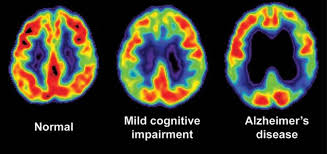
The Hidden Cost of Untreated Hearing Loss: Dementia, Heart Disease, and Beyond
Why OSHA compliance is the floor - not the ceiling.
A comprehensive review of peer-reviewed research linking untreated occupational hearing loss to cognitive decline, cardiovascular disease, workplace injuries, and depression. Makes the case for preventive hearing conservation that goes beyond minimum compliance.
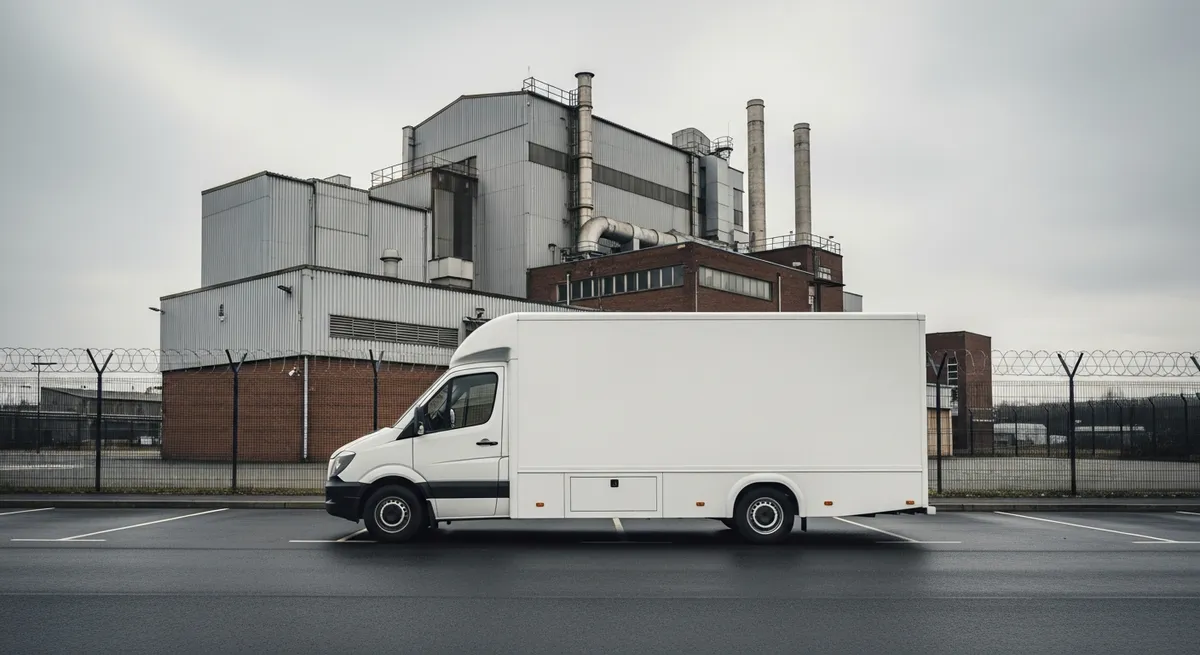
Replacing the Mobile Van: ROI Analysis of In-House Audiometric Testing
How companies are cutting costs and improving compliance with year-round testing.
A detailed cost comparison of traditional mobile van audiometric testing vs. Soundtrace's in-house model. Includes case study data from manufacturing, construction, and logistics companies showing 40-60% cost reductions and dramatically improved compliance rates.
Unprotected by Design: The Hidden Data Security Risk Inside Occupational Health Programs
Why audiometric records held without HIPAA BAAs or SOC 2 expose employers to liability.
41% of 2023 healthcare data breaches originated from third-party vendors. This paper examines why employers who never asked their audiometric testing vendor about data security are already exposed - regulatory frameworks, breach statistics, vendor due diligence checklists, and what a secure cloud-native platform actually looks like.

35 Days, Not 18 Months: A Framework for HCP Implementation Timelines
A framework for EHS leaders evaluating platform change in occupational hearing conservation.
Why most enterprise software deployments take six to nine months — and why hearing conservation platforms should not. This paper presents a five-variable framework for estimating implementation timelines, identifies the architectural decisions that compress them, and documents three representative Soundtrace deployment profiles, including a 1,500-employee enterprise with 26 years of fragmented historical data across four prior vendors completed in 35 days.

The Silent Liability: How Occupational Hearing Loss Claims Are Quietly Compounding Your Workers' Compensation Exposure
A financial risk analysis for risk managers, CFOs, and occupational health directors.
Occupational hearing loss is the most prevalent work-related condition in the U.S., yet it remains the least visible workers' comp line item. Claims surface 10–15 years after exposure — often after records have been destroyed. This paper quantifies the financial exposure building silently inside noise-exposed workforces and presents a longitudinal audiometric data strategy for liability containment.
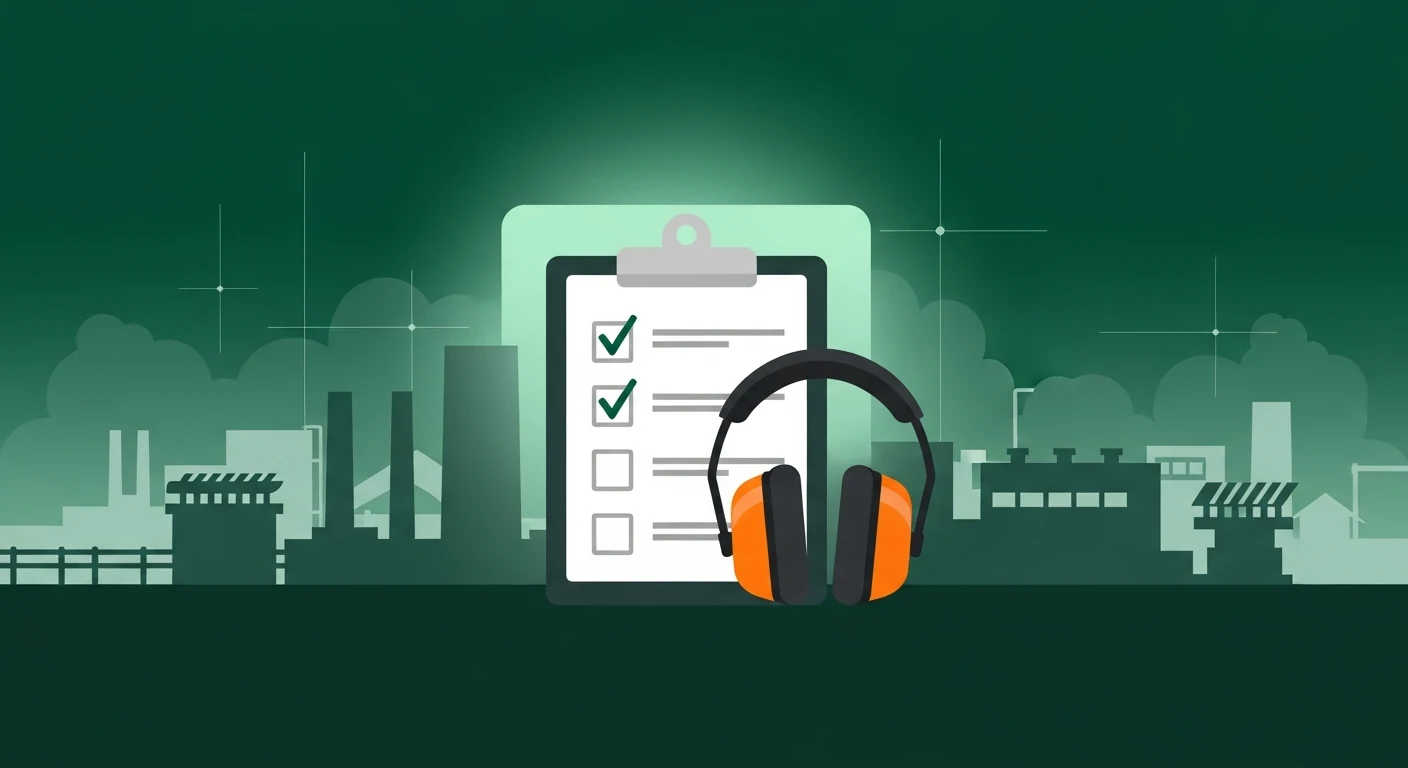
Above the OSHA Baseline: Five OSHA-Allowed Methods That Make a Hearing Conservation Program Defensible Under Inspection
Why minimum-compliance interpretations of 29 CFR 1910.95 leave EHS leaders exposed - and what a stronger protocol looks like.
When an anonymous complaint lands at a state OSHA plan operating in alignment with 29 CFR 1910.95, the conventional, minimum-compliance interpretation of the standard is what most programs lean on. This paper argues that several little-known, OSHA-sanctioned methods - microprocessor technician pathway, ANSI S3.1-1999 (R2018) MPANLs in lieu of Appendix D Table D-1, continuous in-test ambient monitoring with auto-pause, annual exhaustive calibration, and platform-enforced supervision - form a measurably stronger protocol that holds up under regulator scrutiny.
The Off-Balance-Sheet Liability Hiding in Your Workforce: What a $91K Louisiana Ruling Reveals About Hearing Loss Exposure
A warning sign for CFOs and business owners: hearing loss liability accrues silently for decades, then comes due at once.
In 2024, a Louisiana appellate court affirmed a $91K+ award for one retired employee's noise-induced hearing loss: $68,328 in benefits plus $8,000 in penalties and $15,000 in attorney fees, filed two years after retirement. This paper reads the case through a finance lens, treating occupational hearing loss as an ASC 450-style contingency that your own audiograms measure every year, and closes with the record retention, monitoring, and follow-through practices that turn that data into a defense.
Want to see the research in action?
Schedule a demo and we'll walk you through the research behind Soundtrace's audiometric testing platform.